
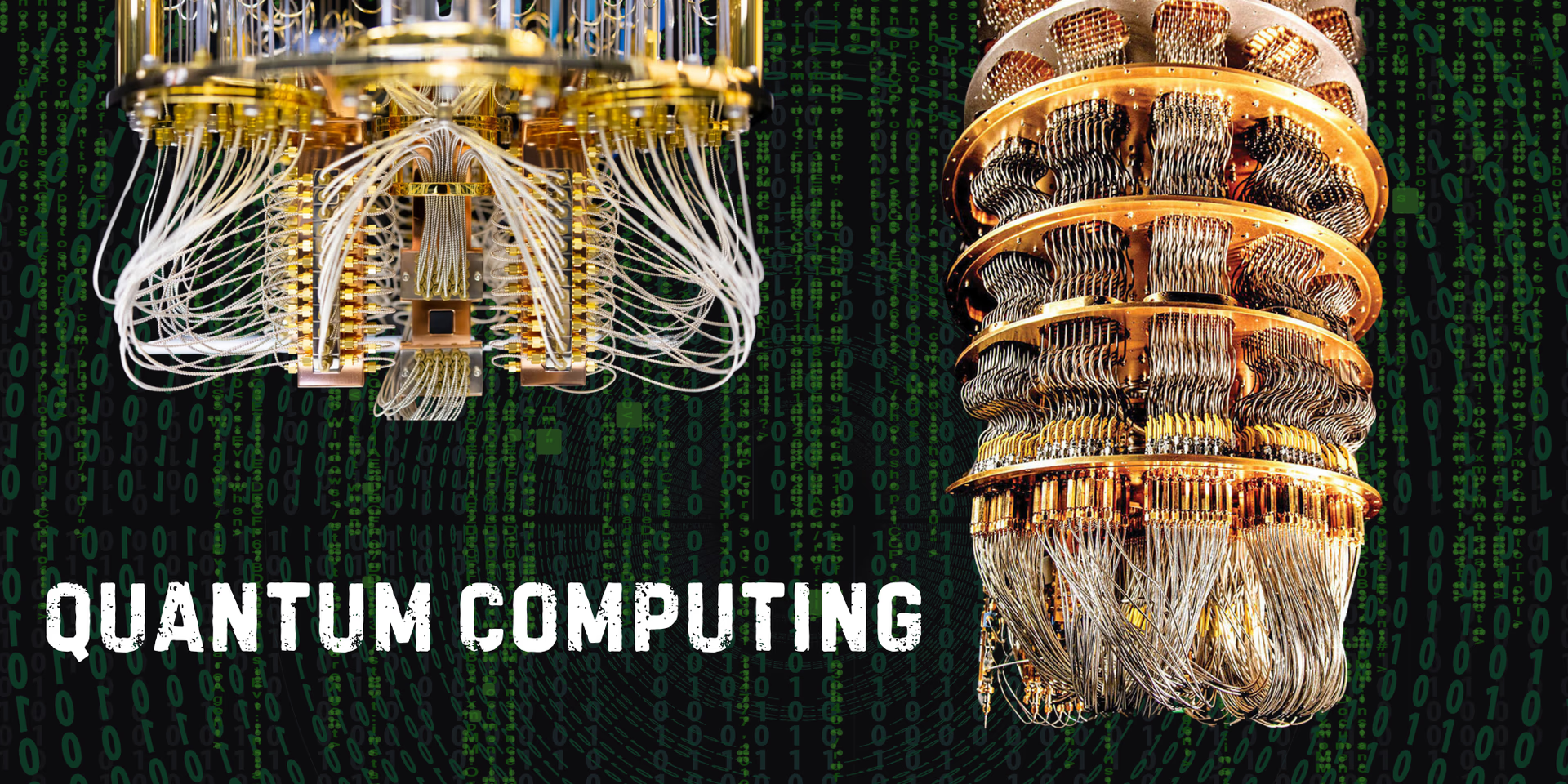
Out here, quantum computing stands as a cutting-edge leap forward. Though regular computers changed everything we do, these new systems might crack challenges today’s strongest rigs simply cannot touch.
Here’s a look at quantum computing – what it means, how it runs, along with the role it might play ahead. Not magic, just different rules shaping new possibilities where old limits fade into background noise.
Quantum Computing Explained
Down at the tiniest levels of matter, things don’t follow regular rules – quantum computing builds on that odd behavior instead of ignoring it. Because particles can spin two ways at once, machines using these quirks process information unlike any standard computer ever could.
Starting with a difference, quantum machines rely on qubits instead of regular bits. These qubits aren’t stuck being just zero or one – they hold many possibilities together. Because of this blend, their processing strength goes far beyond old-style systems. While standard devices flip switches one way or another, these handle several paths at once.
Difference Between Classical and Quantum Computers
One thing about traditional computers: they run on binary bits. Not both at once – each takes just a single state, zero or one. A switch flipped one way or another makes it work that way.
Instead of just zeros or ones, qubits hold both states at once – thanks to something known as superposition. Because of this trait, quantum machines explore numerous outcomes together, speeding up solutions for specific tasks.
Quantum Computing Basics
What sets quantum computing apart comes down to several key ideas
Superposition
Because of this, qubits can be in several states simultaneously – computing strength grows as a result.
Entanglement
One qubit can shape another’s condition despite great distances separating them. When their link forms, changes ripple across space without physical contact. Distance means nothing when these tiny units share such a bond. Their states tie together in ways that ignore how far apart they sit. A shift in one brings an instant echo in its partner, no matter the gap.
Quantum Interference
By ruling out wrong options, it becomes easier to pick the right one.
These concepts allow quantum computers to perform complex calculations efficiently.
Quantum Computers Explained Simply
Out of reach for most regular machines, quantum setups manage qubits through unique components. Working only when nearly frozen, they depend on intense cold to stay stable.
Operations on quantum machines rely on quantum gates rather than basic logical steps. These gates adjust qubits along with how they exist at any moment. Not like regular computing, the process shapes probabilities through delicate shifts in state.
A single setup lets it test many options together, reaching solutions quicker on certain tasks compared to regular machines.
Quantum Computing Uses
Quantum computing has the potential to revolutionize many industries:
Healthcare
Simulation of intricate molecules might assist finding new medications.
Finance
One way it helps is by sharpening how risks are judged, while at the same time streamlining the path investments take. Though less obvious, its role in shaping decisions often shows up quietly, behind the numbers.
Cybersecurity
Breaking codes might become easier with quantum machines – yet they could also make them tougher to crack.
Artificial Intelligence
Machine learning plus data analysis might move faster because of it.
Problems with quantum computing
Even so, progress remains slow because big hurdles stand in the way. One problem after another keeps showing up – hardware that breaks too easily, codes that fail under pressure, temperatures near absolute zero needed just to run a single task
Most times qubits wobble at the slightest disturbance. Their condition slips when touched by outside noise. Even a tiny nudge breaks what they hold. Stability rarely lasts long around them
Hard to make quantum setups that stay steady
Spending a lot on building it sticks around. Keeping it running? That adds up just as fast
Finding fixes for these problems keeps scientists busy, aiming to get quantum computers working better in real situations.
Quantum Computing in the Years Ahead
Right now, big names such as IBM push ahead while pouring money into quantum machines. Behind them, outfits including Google plus Microsoft help shape what comes next through steady work.
Faster answers might come one day through machines that think differently, tackling tough puzzles like weather patterns because they handle information in new ways. These systems may reshape how we approach big questions by learning more deeply, since their design allows unusual calculations. Giant logistical tangles could unravel simply due to smarter processing built on strange physics.
Conclusion
Out of nowhere, tiny shifts in particles let machines tackle tasks once thought impossible. Instead of just ones and zeros, they juggle multiple states at once. This leap comes from nature’s odd rules, not human-made limits. Problems too tangled for regular systems start to unravel here.
Right now, things are moving forward slowly – yet each step hints at big changes ahead for how machines handle information. Not quite finished, this tech already carries weight in where innovation might go next.
Also Check Best AI Tools in 2026 – Comprehensive Guide











Leave a Reply