

A level design might hook you in; what keeps you coming back often ties to rewards tied to purchases to generate reveue. Even indie teams watch dashboards tracking who pays and when.
Today’s games earn revenue in more ways than one. Peek behind the scenes of game creation reveals clever methods developers rely on. Ways players spend often hide in plain sight during gameplay. Some models pull income without charging upfront. Others grow revenue through small ongoing purchases. Each approach fits certain types of play better. Profit isn’t just about price tags anymore.
Premium Game Model
Pay up front, then play without extra costs – that’s how the top version works. This way, people hand over money at the start and unlock everything right away.
Most top-tier PC and console titles rely on this approach. When gameplay feels tight, visuals impress, plus the package stands fully formed from launch – no extra spending needed – it shines brightest.
Free to Play Model
Nowadays, lots of games on phones cost nothing to start. These titles let anyone install and jump in without paying a dime. Yet along the way, players might see chances to spend money if they want. Those extras? Totally up to you. Some choose to buy them. Others skip right past.
With this, income comes from players paying for added options while reaching many users at once. Developers find it useful because people often buy more than just the basics. A wider player base means better chances to make money over time. Extra tools inside the game open paths that keep both sides gaining something.
In App Purchases
Some games make money by letting players spend cash inside the app. These free games often sell digital things like outfits, tools, fighters, or boosts. Buying stuff happens right during gameplay. Virtual goods appear in menus as clickable options. Revenue flows when users pick extras instead of waiting. Little transactions add up across many players. Spending feels small per person but grows fast overall.
Spending on extras can make gameplay feel richer – yet most people get by just fine without them. That balance lets everyone join in, even as revenue flows steadily.
Advertising in Games
Some games make cash by showing commercials. It happens a lot on phones, where users view clips to get bonuses inside the game.
Different types of ads include:
Banner ads on the screen
Video ads between levels
Reward based ads for extra lives or bonuses
Free users bring income through ads seen while they play. Developers gain earnings without requiring purchases.
Subscription Model
Monthly payments unlock extra parts of certain games. Access continues only if fees stay current. These costs cover special material behind a paywall. Payment renews each year or every month. Features remain locked without it. Subscribers gain entry others do not. Fees support ongoing development quietly. Content rolls out over time for those who pay.
Developers get consistent pay from this setup, commonly seen in multiplayer games that stay updated over time.
Battle Pass System
Now here’s something you see everywhere – games handing out challenges once you buy their pass. Moving ahead in the game opens new items, simply because you took part. A climb through tasks brings bonuses along the way instead of waiting around.
Playing often feels natural because the design holds attention without forcing it. Over time, interest stays steady thanks to how pieces connect behind the scenes.
Downloadable Content and Expansions
Post-launch updates often bring fresh material into games through downloadable add-ons or larger expansion packs. New stages might appear, along with different playable figures or evolving plot arcs. Sometimes a quiet update drops – unlocking paths once closed. Other times voices shift, introducing roles that reshape how things unfold. Extra layers emerge long after the first launch day fades.
Over months, players stick around longer when there’s fresh content. That staying power means more income later on.
Hybrid Monetization Models
Some games in 2026 mix several ways to earn money. Take one that you can start without paying – inside, there might be items for sale, short video clips shown between levels, also a progress tracker with rewards every few steps.
With this mix, earnings get a boost because gamers can pick how they play. A wider range of choices keeps things moving without slowing down.
Fair Ways to Make Money
Money matters, sure. Still, messing up how fun the game feels isn’t the way. When players hit walls that only cash can break, annoyance kicks in. That kind of setup tends to push people away instead of keeping them playing.
Most games that do well mix spending options so users sense fairness when paying. What matters is how much people believe their cash brings real benefit.
How Games Make Money Tomorrow
Game money ways are changing because tech moves ahead. One shift comes from tools people just started using. Another piece shows up in how players interact differently now. A fresh angle appears when systems track behavior without asking. What happens next depends on what feels normal later. Fewer old methods stick around once something better arrives
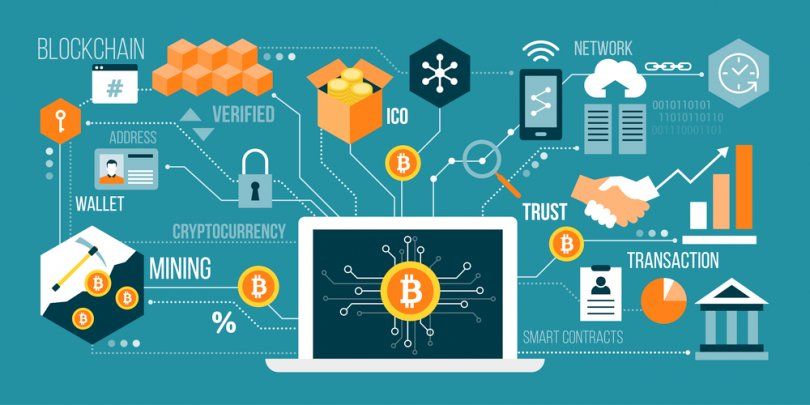
Blockchain based assets and ownership
Subscription bundles across multiple games
Personalized offers based on player behavior
Tomorrow’s ways to earn from games will likely grow from these new ideas.
Conclusion
These days, making money matters just as much as making games. Whether selling full versions upfront or relying on in-game purchases instead, studios find different paths to earn income.
Success often comes to games that make cash without losing fun. By 2026, studios winning big mix clever revenue tricks with truly gripping play. Yet it isn’t just income experience shapes staying power too.
Also Check Fundamentals of Game Design – Powerful Guide – 2026






Leave a Reply