

These days, making apps ranks among the top sought after abilities online. Though phone stores overflow with countless programs, fierce rivalry comes hand in hand with big openings. Building a new business, landing freelance gigs, or stepping into tech – all benefit from knowing which steps to follow. A clear path makes all the difference when diving into creation.
Starting out might feel unclear, yet learning app development could become your thing by next year. A few hours here, some practice there, suddenly things click. Progress shows not through big leaps but steady movement forward. Anyone can grow from knowing nothing to handling tough coding tasks. The path gets clearer only when walking it.
Learn programming basics
Picking up coding begins by getting familiar with basic ideas. Starting here means wrapping your head around things such as variables, loops, plus how to shape logical steps. What comes first is seeing how pieces fit before moving ahead.
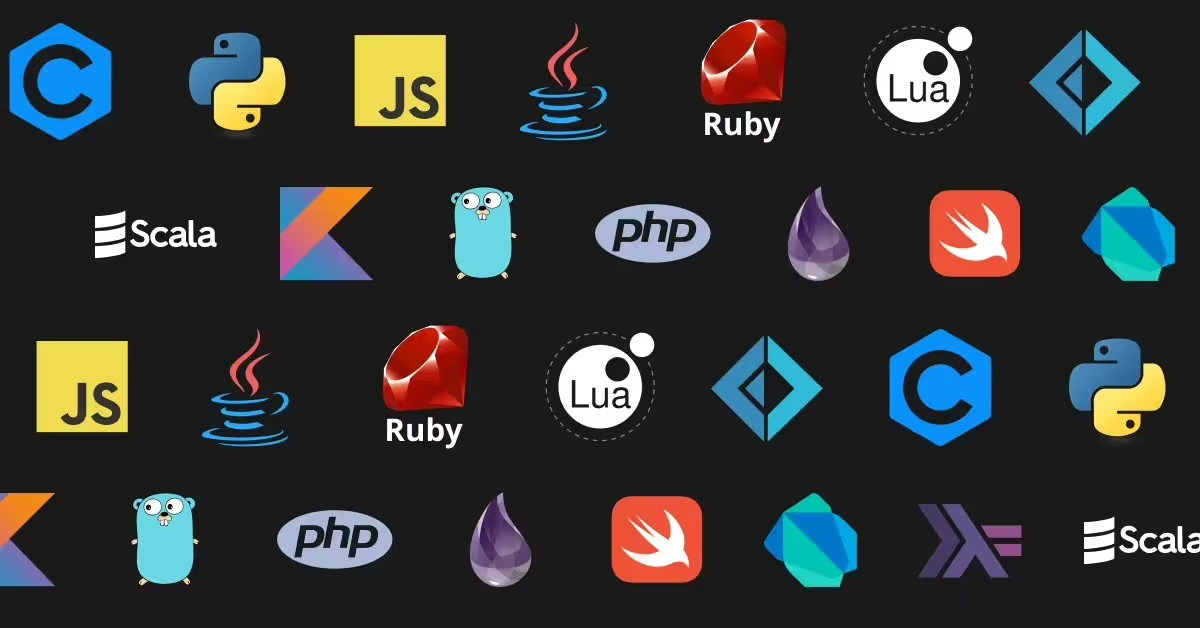
JavaScript opens doors for new coders, yet Python offers clear paths into building apps. Dart joins them quietly, supporting solid learning through practice instead of theory.
Choose Your Development Path
Hold up. Picking the kind of app comes first. Figure that out before anything else kicks in.
You can choose:
- Android app development
- iOS app development
- Cross platform app development
By 2026, Flutter along with React Native powers many apps across devices. Despite different tools existing, these two stay common choices for reaching multiple platforms at once.
Learn ui and ux design basics
Most people think apps only need to work well, yet how they feel matters just as much. When you understand simple design ideas, your apps become clearer, cleaner, even a bit smoother to move through. Not magic – just smart choices shaping better moments.
Focus on layout design, color combinations, and user friendly navigation.
Build small projects
Practice makes learning stick. Try beginning with tiny tasks such as:
- To do list app
- Calculator app
- Weather app
Working on these builds lets you test what you know while facing actual coding hurdles. A hands-on way to learn comes through tackling tasks that mirror everyday tech work.
Work With APIs and Databases
Apps today run on information. Figuring out ways to link your software to databases matters just as much as working with APIs.
You should understand:
- Fetching Data From APIs
- How to store data using databases like Firebase
- How to manage user authentication
Now things start moving – your apps gain extra life, becoming sharper tools through small changes that add up quietly behind the scenes.
Learn version control
Tracking code gets easier with tools such as Git. Changes show up clearly when you work this way.
Most coders these days keep their work on places such as GitHub. These spots let people swap scripts easily, almost without thinking about it. Files live there, open for tweaks or copying, depending on rules set by the maker.
Optimize Performance
When apps get bigger, speed matters more. Fast, seamless experiences are what people want. Though size increases, expectations stay high.
Learn how to:
- Reduce app loading time
- Optimize images and data usage
- Handle errors effectively
- Good performance improves user satisfaction.
Test the app thoroughly
When you test, the app runs smoothly because problems get caught early. Bugs tend to disappear when checks happen often during building. Crashes stop happening once flaws are found through careful trial steps.
Listen to what users say – tweak things so it feels smoother. Each change gets you closer to something that just works.
Publish Your App
With the app finished, off it goes to app stores for release.
Android users can find apps on Google Play Store
Use Apple App Store on iOS
Start by checking every rule so nothing slips through. A clear description helps people know what it does. Screenshots show how it looks when used. Icons need to be sharp and match the style. Follow these steps one after another without skipping any part.
Keep learning and improving
Change never stops, which means learning must keep up. To stay current, explore fresh tools alongside emerging methods now and then.
Building new projects helps you grow. Developer communities offer useful insights along the way. Tutorials show methods others use successfully. Growth comes from doing, not just watching.
Conclusion
Real apps built from scratch teach more than theory ever could. Skills grow naturally through repeated effort, even on slow days. Success shows up quietly after months of quiet work.
Begin tiny, keep going every day – learning always shifts things forward. Success comes when effort sticks around long enough. A steady path changes how code becomes work worth doing.
Also Check AWS Security Guidelines for Cloud Protection 2026









Leave a Reply