

In recent years, attention toward cryptocurrency has grown, especially focused on Bitcoin – a form introduced back in 2009. Following its emergence, various enterprises began producing unique versions of such online assets. Public curiosity became noticeable across multiple platforms hosting these virtual units. One example, called Doge coin – newer and somewhat misleading in name – attracted many unfamiliar participants. Behind the scenes, methods used to generate these tokens remain largely unclear. With peer exchanges plus minimal oversight, such assets gain appeal as modern money, pushing broader use. Yet exactly how does one define cryptocurrency? Behind their rise, why do some see digital tokens as currency reborn? Clarity on this topic now feels overdue
Understanding Cryptocurrency Simply?
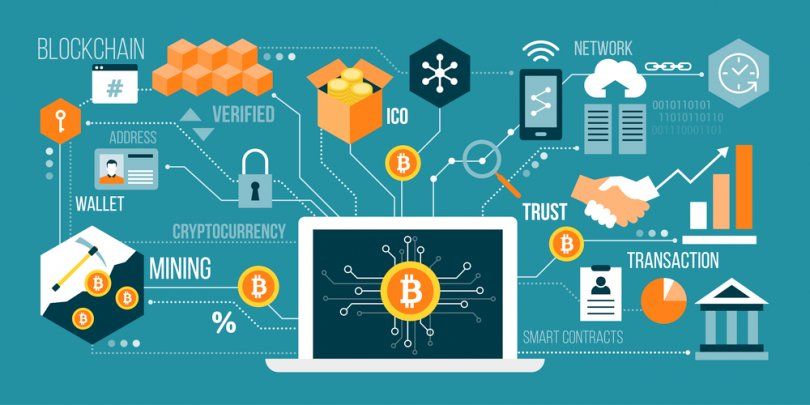
Online is where digital currency exists, physical form absent. Verification happens across computer clusters, central authorities excluded. Shared records track each transaction, access open to observers. Blocks chain the exchanges, transparency built in by design. Code enforces terms automatically, clerks and documents removed. Ledgers update without human steps, consistency maintained silently. Math builds trust, where words cannot reach. Function persists through global participation, one person at a time
Picture an alternative: digital currency lives online, held inside something called a wallet. Instead of paper bills, worth appears visually through technology
With no bank involved, trades move directly between people. Approval processes become unnecessary under such a system. Functionality remains solid when purchasing goods. Crossing national lines, money transfers finish quickly. Some opt for it when aiming to preserve or increase financial assets. The role of intermediaries disappears completely.
A different path opens when curiosity leads below the surface
Cryptocurrency Clarified with Advantages and Disadvantages for Investing.
Is Cryptocurrency Seen as Real Money?
A shift occurs here. Although digital currency holds value similar to traditional money – individuals trade, transfer, or acquire it – a different angle emerges. Advantages appear alongside its use, quietly shaping how it moves through hands
One way to start is buying cryptocurrency. Whatever necessary follows – objects or assistance – can appear at any moment. Access becomes real only if items and aid exist together when needed.
Funds cross borders at once. Without pause do they enter foreign systems. The instant transfer shapes global movement today. As soon as released, money is already elsewhere. Years may pass before bets on digital coins show results. Though large returns require waiting, staying steady creates opportunities. Success often follows those who remain consistent without rushing outcomes.
Outside of everyday currency, certain drawbacks exist. While physical money is widely accepted, digital alternatives face limitations. Sudden shifts in value occur unpredictably – stability is rarely seen.
Where Your Money Goes When Buying Bitcoin?
Should a choice be made to purchase Bitcoin or another digital currency, the money involved does not vanish into nothingness. What occurs can be seen more clearly when examining the transaction flow – movement shifts through verification steps before settling in new accounts
Money moves online using tools including Binance or Coinbase. From regular currency to electronic form – this shift occurs across certain websites. One kind of platform changes paper bills into blockchain-based units. Sites such as these handle conversions from national tender to virtual assets. When paper money shifts toward digital formats, platforms such as Coinbase come into play. Appearances of coins follow exchanges of physical cash on marketplaces resembling Binance
A trader steps forward, ready to let go of their Bitcoin.
Inside a device you carry, within your mobile, or held across internet servers – Bitcoin appears instantly upon buying. It moves without actions required from you. Settles into place, staying silent till next accessed
Money becomes Bitcoin through agreement between buyer and seller. Only when amounts align does exchange occur. A meeting of terms allows transfer. One person’s funds meet another’s digital tokens. Agreement must exist before movement takes place
Four Kinds of Digital Money?
A solitary figure could imply diversity, still more than thousands of digital currencies are known – organized cleanly into only four primary kinds. To understand an overcrowded space, these divisions offer clarity, despite labels evolving constantly. Superiority does not belong naturally to one group; rather, distinct functions emerge within networked systems. Though titles shift quickly, the framework remains unchanged – at least temporarily
Bitcoin and Litecoin used as payment cryptocurrencies
A mechanism within a structure enables operations including tool retrieval – Ethereum serves this role. When individuals employ assets like LINK, network entry occurs. Such virtual elements function as access instruments, creating routes through program landscapes
When prices jump wildly, certain digital currencies respond by tying themselves to established money such as the U.S. dollar – USDT and USDC illustrate this pattern. Stability emerges because these tokens reflect real-world holdings rather than float without anchor. Because their value is linked directly, shifts remain minimal even during intense market stress. While many cryptos surge and dip unpredictably, a few avoid turbulence by structure alone. Through deliberate alignment with traditional financial references, quiet consistency persists despite surrounding disorder
Ownership of those tokens comes with strict guidelines, much like shares or real estate. Rules shape how they function within systems. Each token behaves according to predefined conditions. Control is built into their structure, limiting flexibility. Their value ties closely to governance frameworks. Access depends on compliance with protocols. Functionality emerges only under specific circumstances. These digital assets mirror traditional ownership models. Constraints define what holders can do. Structure overrides individual preference. Authority rests in code, not choice.
Also Check Future of Entertainment – Comprehensive Guide – 2026








Leave a Reply